- Fabric
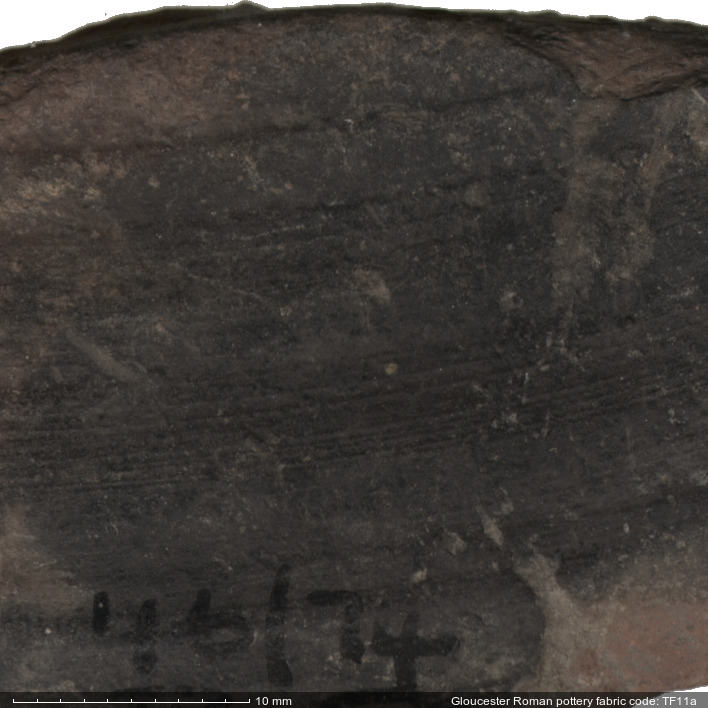
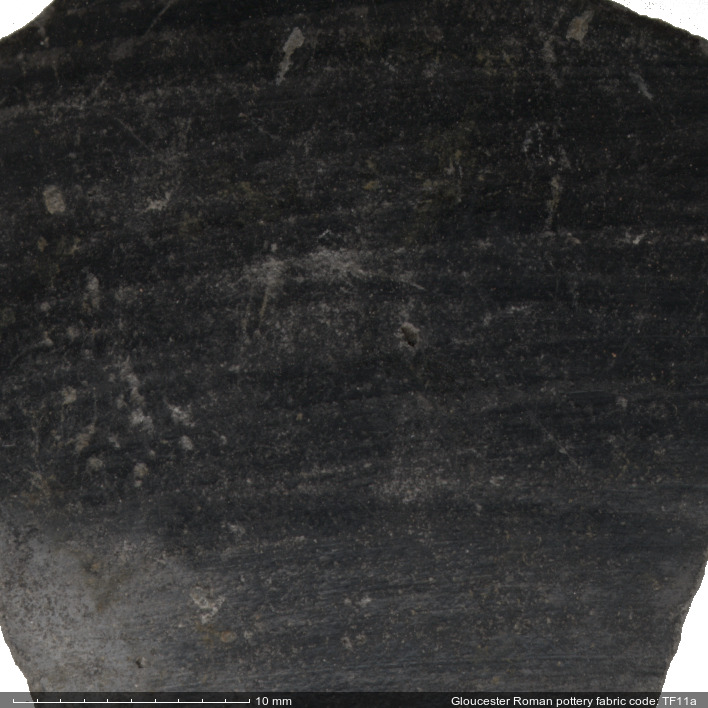
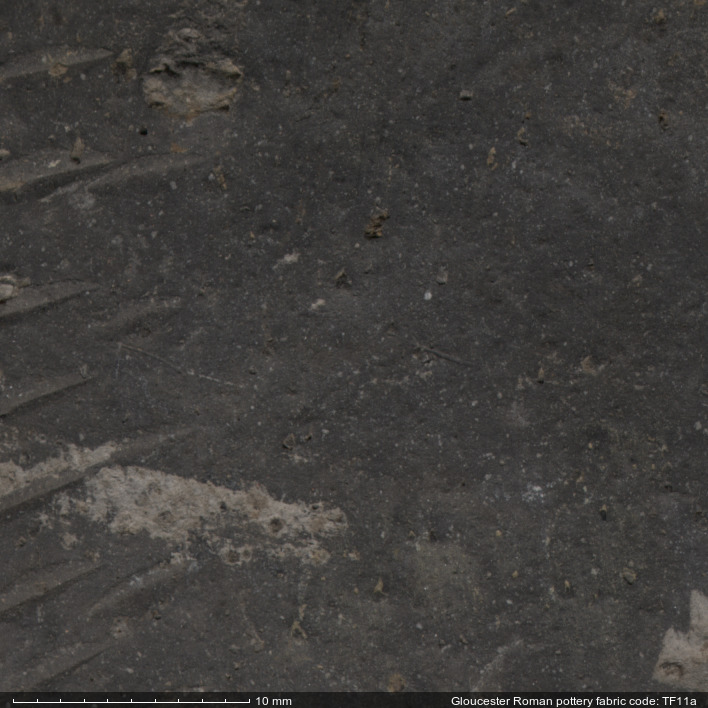
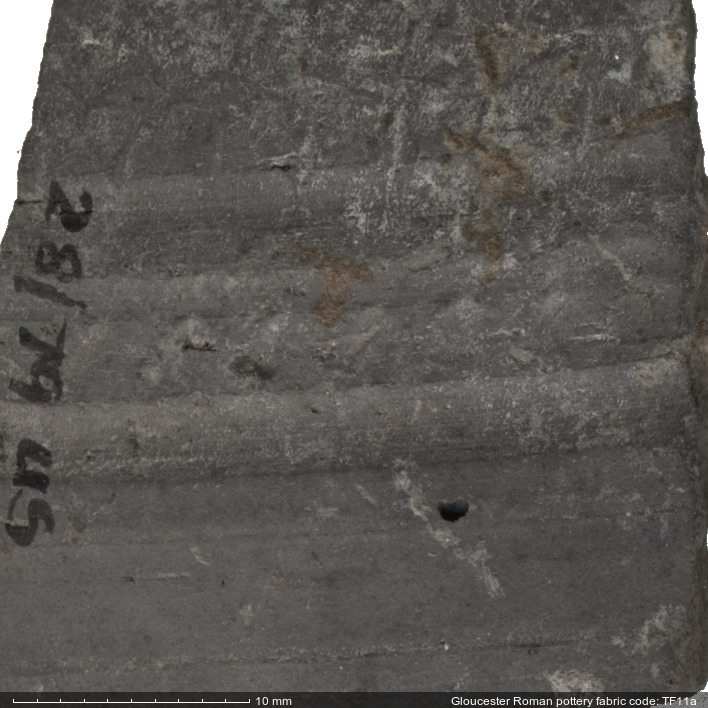
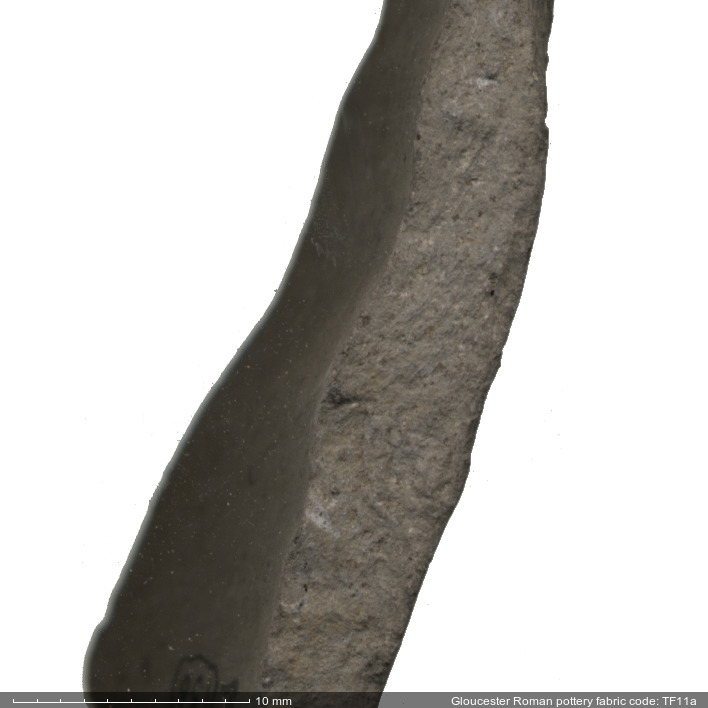
- A hard, finely micaceous fabric with few macroscopically visible inclusions. Petrological analysis by Tomber (1981) indicated an optically anisotropic matrix containing abundant, moderately well-sorted, subangular to rounded quartz. Mica is common, particularly muscovite, with smaller quantities of biotite. Other less common constituents include rounded clay pellets, iron, quartzite, limestone, feldspar and siltstone. The wares were fired under both oxidising and reducing conditions resulting in a variety of colours including orange, dark grey and black. The surfaces of many vessels carry a high quality burnish.
- Form
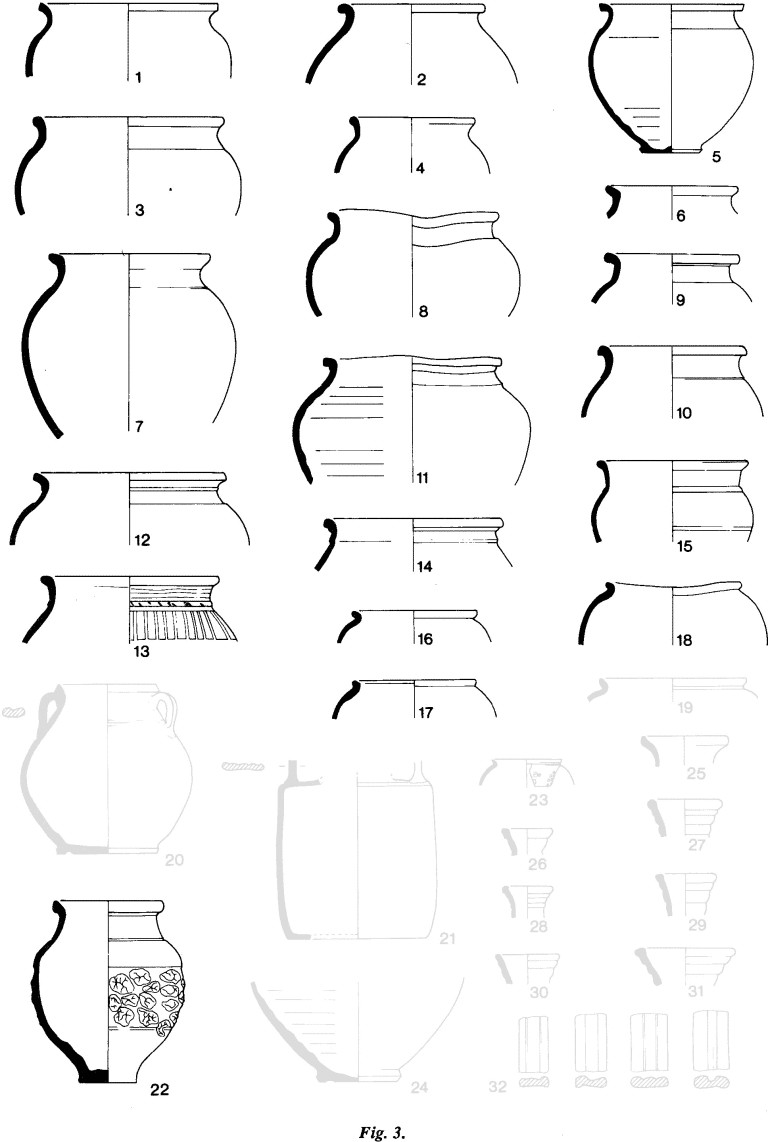
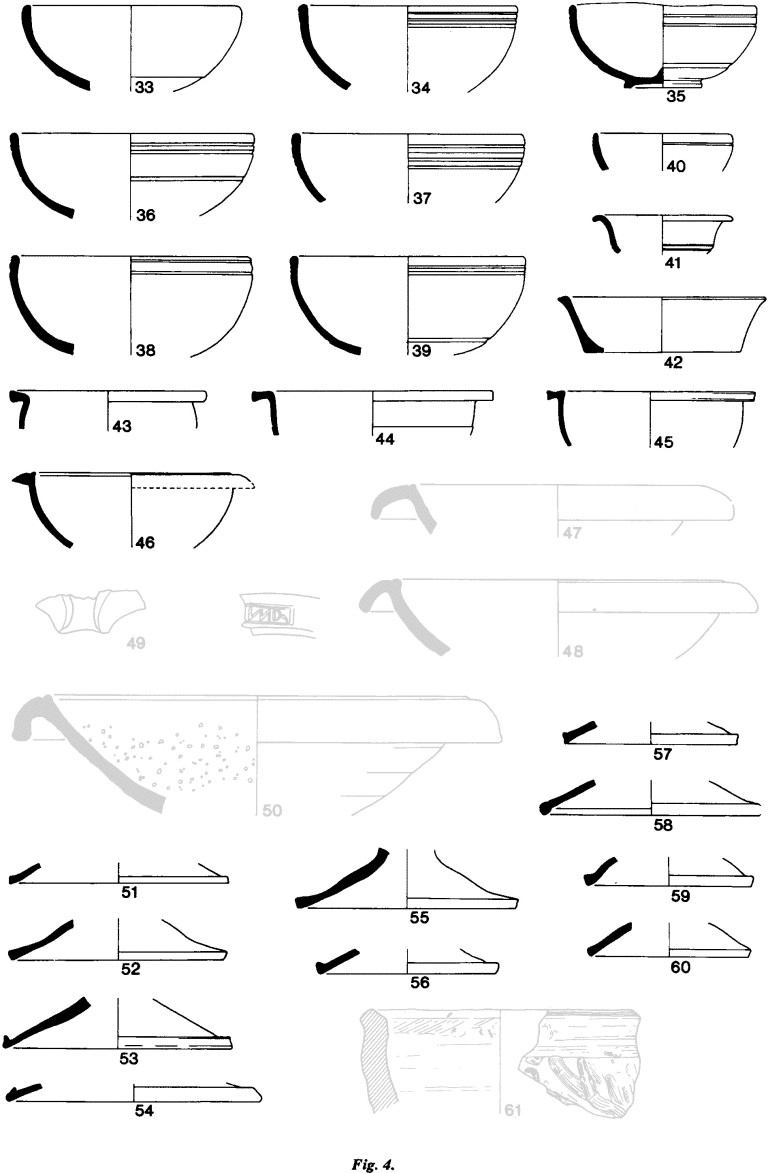
- jars, beakers, bowls, lids and platters. Forms showing Continental influence and imitations of fine wares were made.
- Decoration
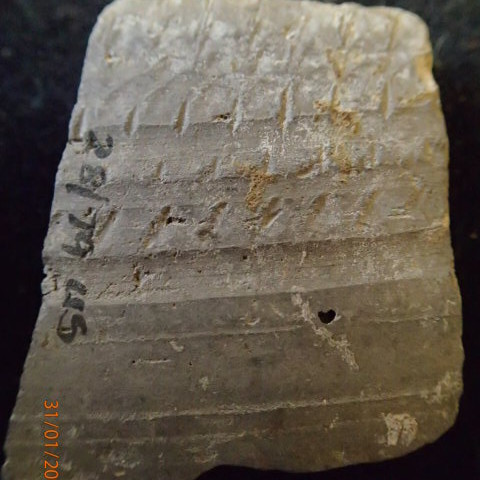
- A variety of surface finishes and decorative techniques were employed, including rouletting, burnish, barbotine dots and rustication
- Date
- late 1st-mid 2nd c
- Source
- local / Gloucester / College of Art and Berkeley Street kilns
- Bibliography
- Rawes 1972; Timby 1991;
- Local references
- Defences p.61. Gates p.100. Kingscote p.254. Kingsholm p.81. St Oswald’s Priory p.41.
- See also
- TF3A TF7 TF9B TF25 TF207
TF11A: Reference sample
TF11A: Reference sample
TF11A: Reference sample
TF11A: Reference sample
TF11A: Reference sample
TF11A: Reference sample
TF11A: Types (Berkeley Street, Fig. 3)
TF11A: Types (Berkeley Street, Fig. 4)
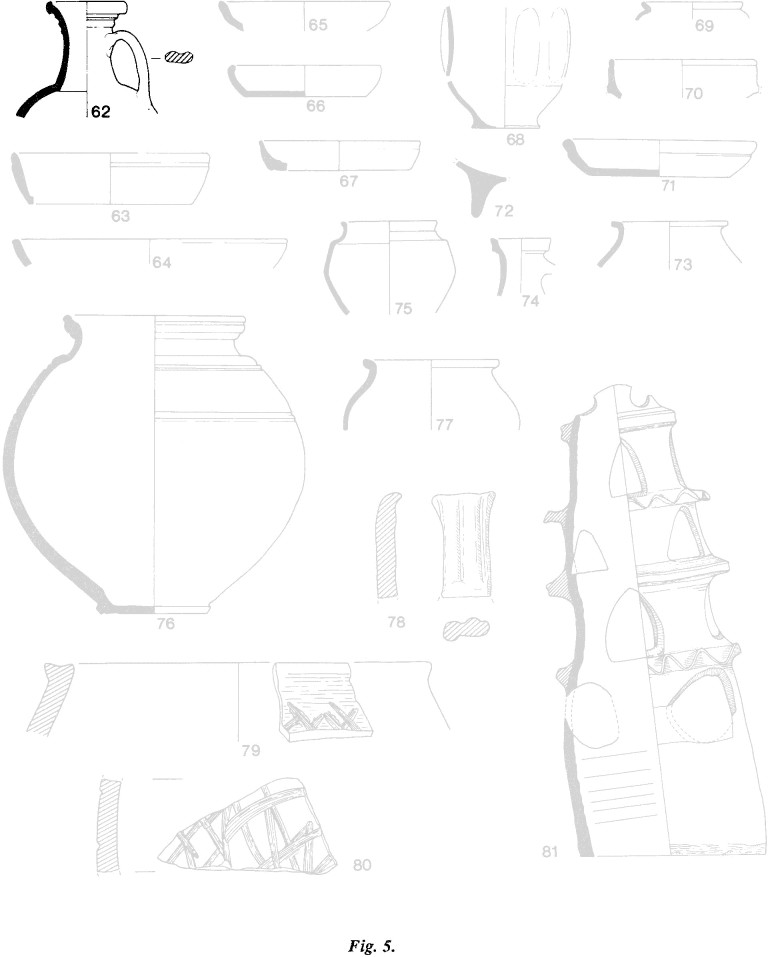
TF11A: Types (Berkeley Street, Fig. 5)
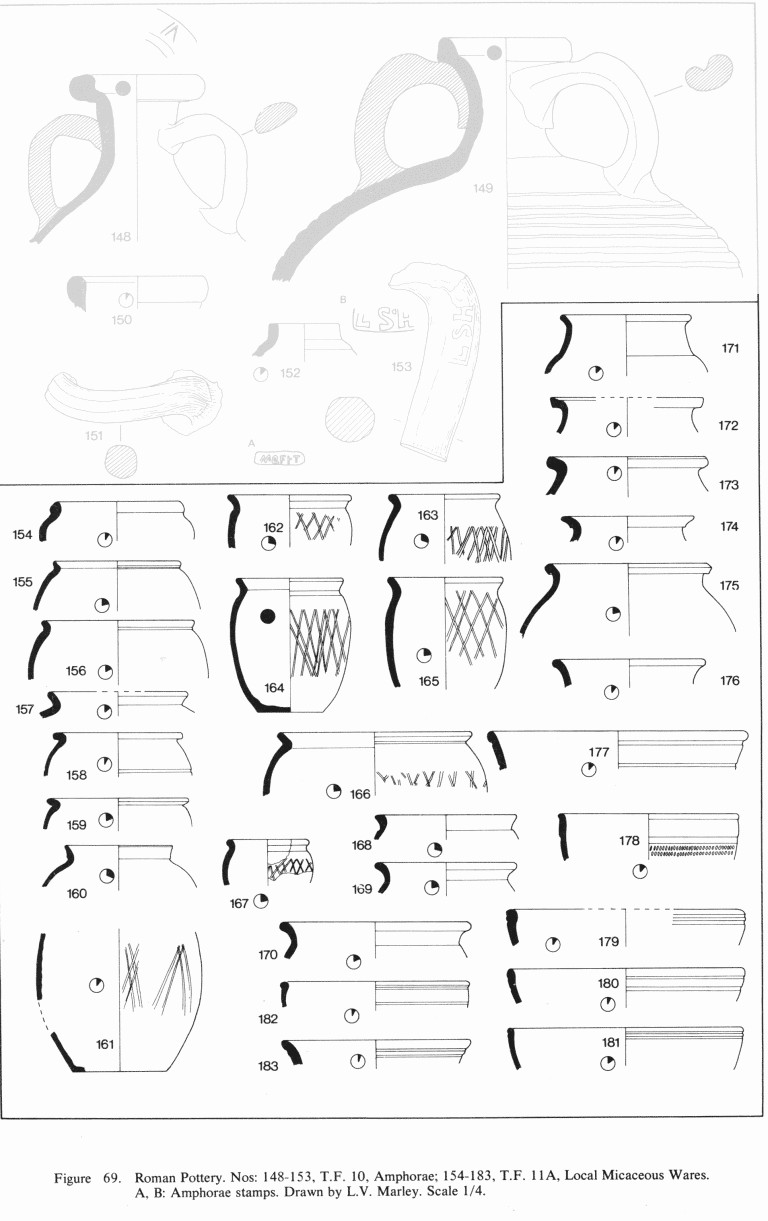
TF11A: Types (Gates, Fig. 69)
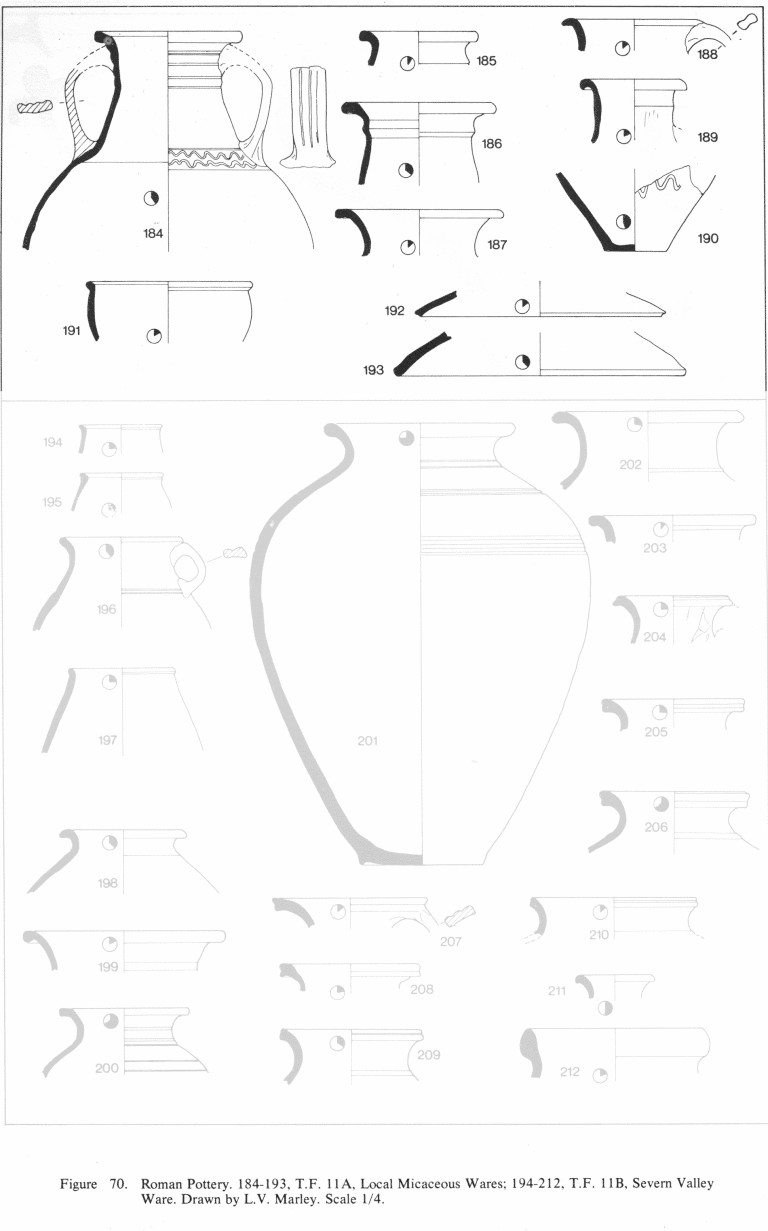
TF11A: Types (Gates, Fig. 70)